

While spring and summer bring rain necessary for many crops, they can also bring severe weather conditions. At New Standard, we look at surge protection not just as an equipment checklist, but as a critical part of animal welfare and operational resilience. When the grid fluctuates, your livestock shouldn’t have to feel the effects. A lightning strike doesn’t have to hit your roof to do damage, and rural utility lines make ag operations prime targets for power fluctuations.
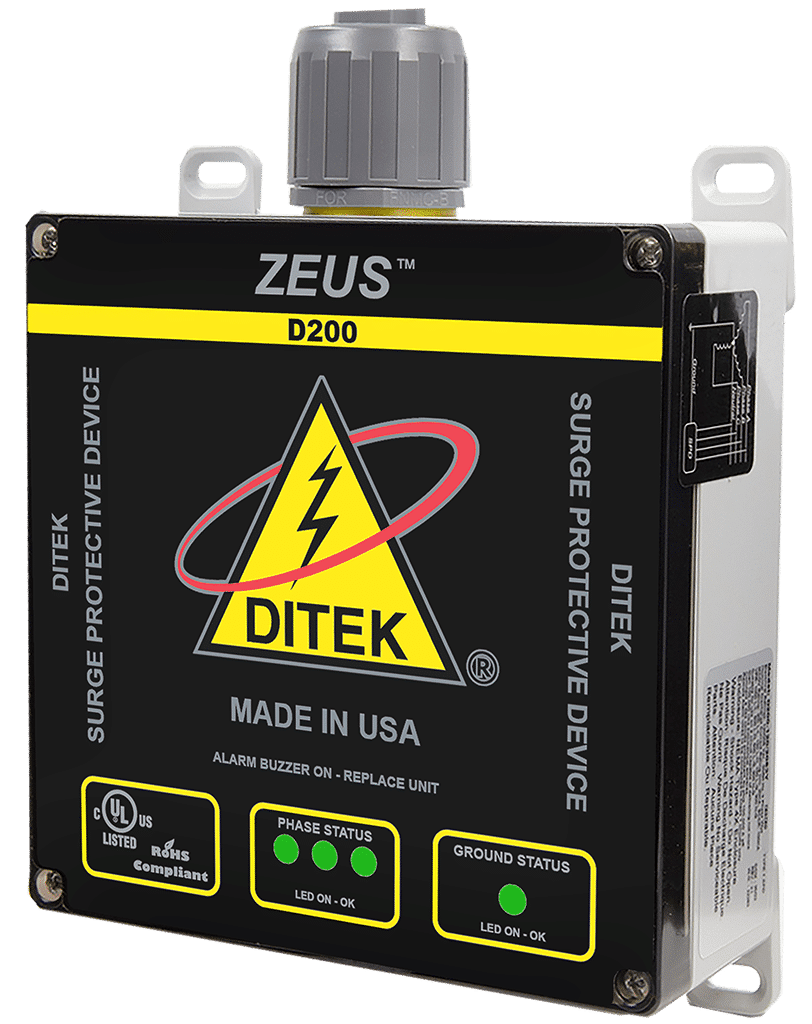
Whole Barn Protection
Understanding why agricultural barns seem to suffer from surge damage more frequently than residential homes or businesses in town comes down to geography and the grid itself. Because rural areas are more spread out, these utility lines stretch across miles of open country. These long, exposed wires act like giant antennas for lightning. A strike, miles down the road can send a high-voltage ripple traveling straight toward your service panel.
Under normal conditions, electricity flows smoothly through the panel to your equipment. But when a storm causes a massive surge, the voltage level spikes instantly. Surge Protective Devices (SPDs) instantly bonds to ground when they feel this surge of electricity, instead of letting that destructive wave rush into your barn and melt your equipment. This is achieved with an MOV (Metal Oxide Varistor) or similar device that diverts the surge to the grounding system. It catches the high-pressure surge and safely diverts to ground before that excess energy reaches your equipment. Of course, this all means that it is critical to
ensure you install proper grounding and check periodically for degrading connections and address as needed.
Whole-barn protection is your non-negotiable first line of defense. It stops the catastrophic external spikes from ever entering the building.
Network Lines
When we talk to producers about storm damage, this is usually the biggest eye-opener. A farmer will call us puzzled: “I’ve got surge protection on my panel, but my controller still fried during the storm. How did that happen?”. The answer in most situations is that the energy surge traveled through the network lines.
Modern agricultural operations rely on interconnected systems, which means your barn’s internal communication cables could become a pathway for energy to travel. If lightning strikes nearby, that massive burst of energy can induce a high-voltage spike right inside the data wire itself.
Because that spike starts inside the communication cable, it completely bypasses the main electrical panel and the heavy-duty surge protectors in whole barn protection. Instead, the surge travels right down the data line and directly into the back of your controller.
These communication ports run on tiny, fragile microchips designed for low voltage data and are not prepared for a sudden surge of voltage. This can leave you with a system that suddenly can’t communicate internally with your fans or feeders.
Integrating this protection into your system means adding specialized, low-voltage data-line surge protectors to the Ethernet right where it plugs into your device(s).
Individual Equipment Protection
Finally, it’s worth looking at the equipment itself. While storms get all the headlines, barns create their own small power fluctuations. When we think about how many times a day a ventilation fan, an auger or chain disk motor, or a heavy manure pump cycles on and off, there are lots of moments that could trigger a micro-surge. VFDs can also create their own version of voltage spikes on the power feeding other equipment. Over time, these repetitive electrical fluctuations can wear down the components inside your primary environmental controller. Integrating localized surge suppressors or power conditioners directly at the outlet provides a final line of defense for the microprocessors inside your individual barn equipment.
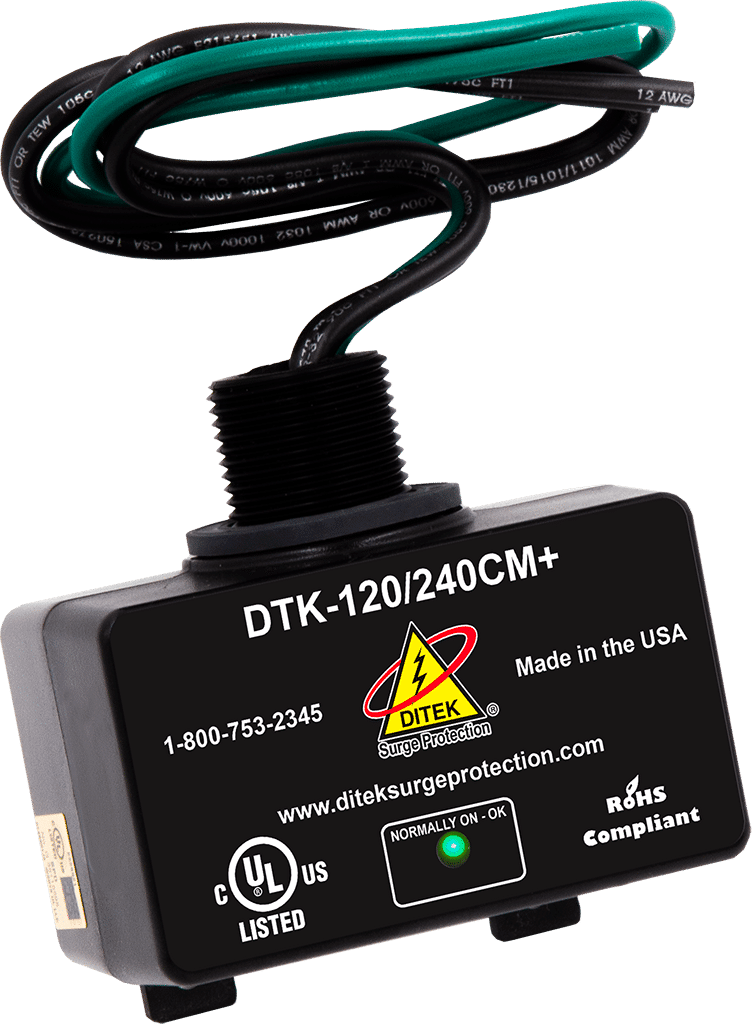
Ultimately, protecting your barn, your animals and the investments you’ve made in both from power and surge issues comes down to a layered, multi-faceted approach. It may never be possible to prevent lightning from damaging something if the strike is close enough, but it is possible to prevent most potential issues from creating a costly and stressful event. Like insurance, surge protection is something you purchase with the hope that you never use it, but also like insurance, when you do need it, you are very glad you’ve paid for it.
If you’re wondering whether your panel boxes, data lines, or critical controllers are fully guarded for the storm season ahead, you don’t have to figure it out alone. Reach out to the New Standard team today. Whether you have a quick question about your current setup or want to explore an end-to-end surge protection strategy for your barn, we’re always here to help keep your operation running safely.
